
Limestone, Brick & Mortar Restoration in Fremantle
Fremantle is a town built out of limestone. Walk any street from the West End down to South Freo and you are looking at walls that were quarried, cut and laid more than a century ago. Most of them are still standing, and the ones in the best condition are the ones somebody looked after properly.
That is what we do. Bricks Fix WA has been repairing limestone, brick and mortar right across Perth since 1985, and Fremantle is one of the areas we work in most. Marcus, the owner, is on every job. No subcontractors, no sales reps, and no guessing about what your wall actually needs.
If your mortar is crumbling, there is a pile of sand at the base of your wall, or a crack has opened up above a window, give us a call. The inspection and the quote are free, and if the honest answer is that it can wait, we will tell you that too.
Over 185+ genuine 5-star Google reviews · Trading since 1985 · Owner on every job
Why Fremantle walls need a different approach
Limestone
Limestone is a soft, porous stone. Up to a third of it is empty space, and that is not a defect — it is how the wall works. An old limestone wall has no plastic membrane and no cavity. It manages moisture by breathing: water goes in, water evaporates back out, and the wall stays sound for a hundred and fifty years.
Salt and Damp
Fremantle then adds two things that the rest of Perth gets a milder version of. The first is salt. Salt comes in off the surf on the wind, it sits in the groundwater, and it soaks up out of the ground into the bottom courses of the wall. The second is age. A lot of Freo housing stock predates any kind of effective damp-proof course, so the ground and the wall are in direct contact.
Incorrect Sealing
Salt on its own is not the problem. The problem is salt plus a wall that has been sealed up. When somebody renders a limestone wall in cement, repoints it in a hard cement mortar, or paints it with a modern acrylic, the moisture can no longer escape through the joints. It has to find another way out, so it dries through the face of the stone instead. The salt crystallises inside the stone as it goes, and the pressure blows the face off. You end up with mortar joints standing proud of the wall and the stone eaten away in cavities behind them.
Lime-Based Mortar
That is the wrong way round, and it is expensive. Mortar is cheap to replace. Stone is not. The whole point of using a soft, lime-based mortar is that the joint is designed to be the part that wears out, because the joint is the part you can renew for a fraction of the cost.
Heritage Guidelines for Fremantle
This is not just our opinion. The City of Fremantle publishes its own Heritage Building Conservation technical advice sheets, and they say the same thing: limestone walls need lime mortars, cement renders and impermeable paints should be removed, and repointing should be done with a lime putty and clean sharp sand mix at around 1:2½. We work to those principles as a matter of course, whether or not your place is heritage listed.
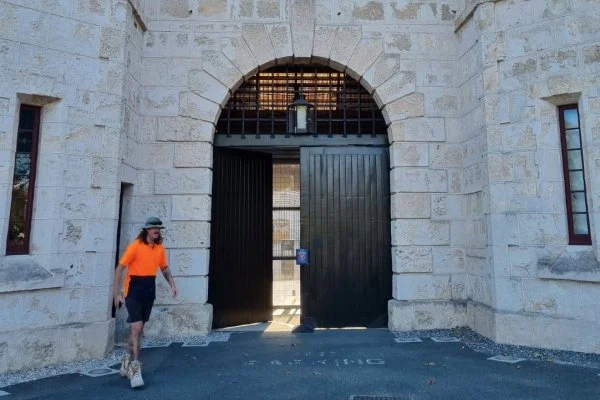
What we do in Fremantle
Every one of these is work we do ourselves, week in and week out.
Limestone repair & repointing
Raking out failed joints and repointing in a mix that suits your wall and your distance from the coast.
Mortar pointing & repairs
Fretting, crumbling and missing mortar made good, colour-matched to the original.
Tuckpointing
Traditional Federation and Victorian tuckpointing, restored properly rather than painted on.
Brick repairs & replacement
Fretted and blown bricks cut out and replaced with matching stock.
Heritage brick restoration
Conservation work on listed and character buildings, using period-correct materials.
Wall crack repair & stitching
Cracks stitched with stainless helical bars and repointed so the repair disappears.
Lintel replacement
Rusted steel lintels cut out and replaced before they lift the brickwork any further.
Chimney repairs
Repointing, rebuilding and making safe.
Damp proof treatments
Treating the cause of rising and salt damp, not just the stain.
Bricklaying
New brick and limestone work built to match what is already there.
The problems we see most on Fremantle properties
If you recognise your wall in any of these, it is worth a look sooner rather than later. Nearly every one of these gets cheaper to fix the earlier you catch it.
Fretting mortar
What you see: crumbling, powdery joints, and a small drift of sand collecting at the base of the wall. In advanced cases the joint is simply gone and you can see daylight or push a finger into the gap.
Why it happens here: damp in the joint, an incorrect mix when the wall was built, or salt-laden wind acting like a slow sandblaster. .
How we fix it: we cut the joints back to sound material, wash them out so the new mortar has something to key into, and repoint in a mix chosen for your wall and your distance from the water. The mortar is then coloured with oxides or blended sands and finished to match the original joint profile. Done properly you should not be able to tell where we worked.
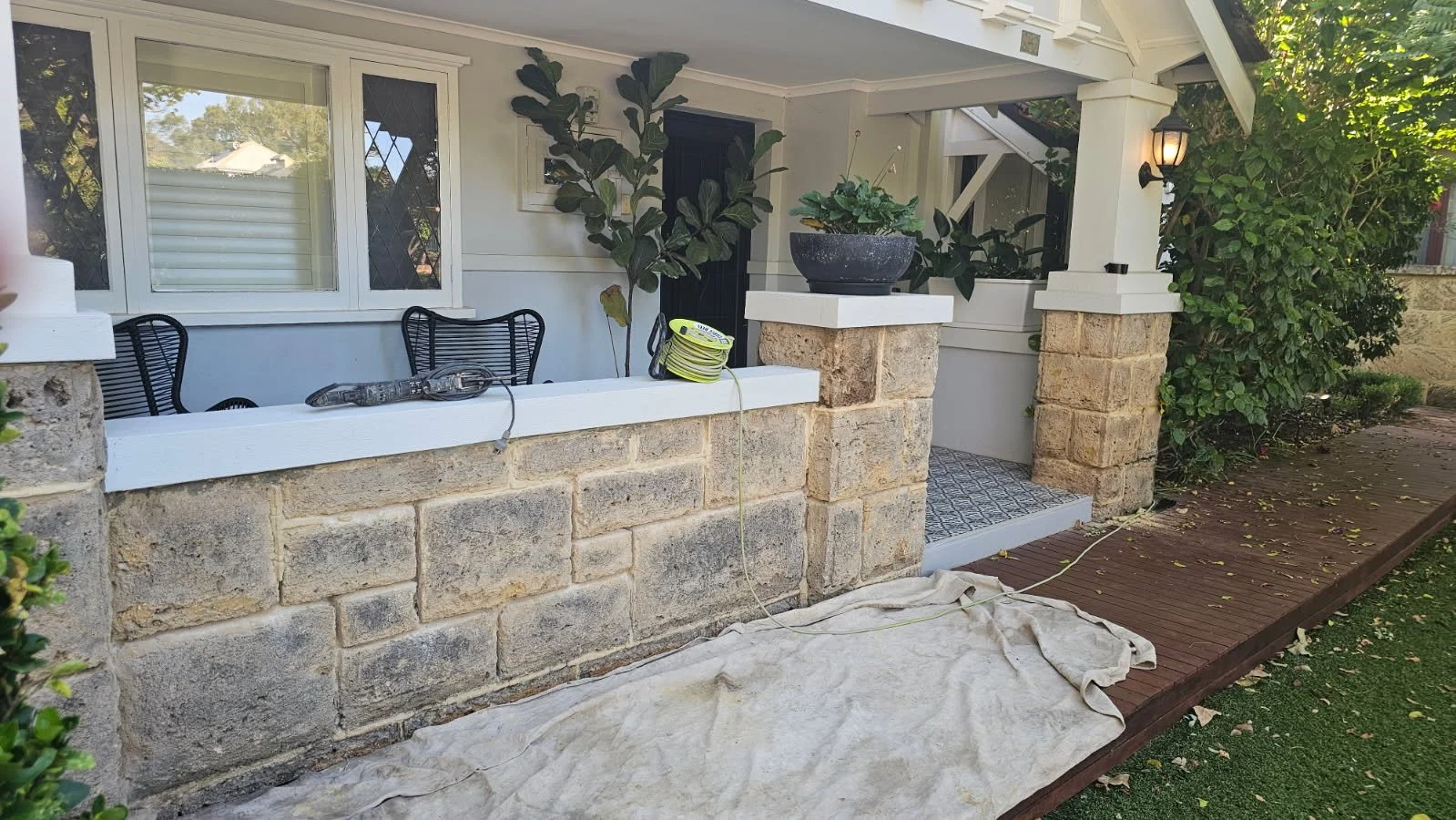

Fretting bricks and blown limestone faces
What you see: the front face of a brick or a block flaking, powdering, or falling away entirely, leaving a soft crumbly hollow behind.
Why it happens here: salt-carrying water travels through the masonry, and when it evaporates at the surface the salt crystallises and pushes the face off from the inside. This is salt attack, and Fremantle gets more of it than almost anywhere else in Perth. Sealing the wall up makes it worse, not better.
How we fix it: fretted bricks get cut out and replaced with matched stock. On limestone we assess whether the stone can be dressed back and consolidated or whether individual blocks need swapping out. Then we deal with the reason the moisture is there in the first place, because replacing the stone without fixing the cause just buys you a few years.
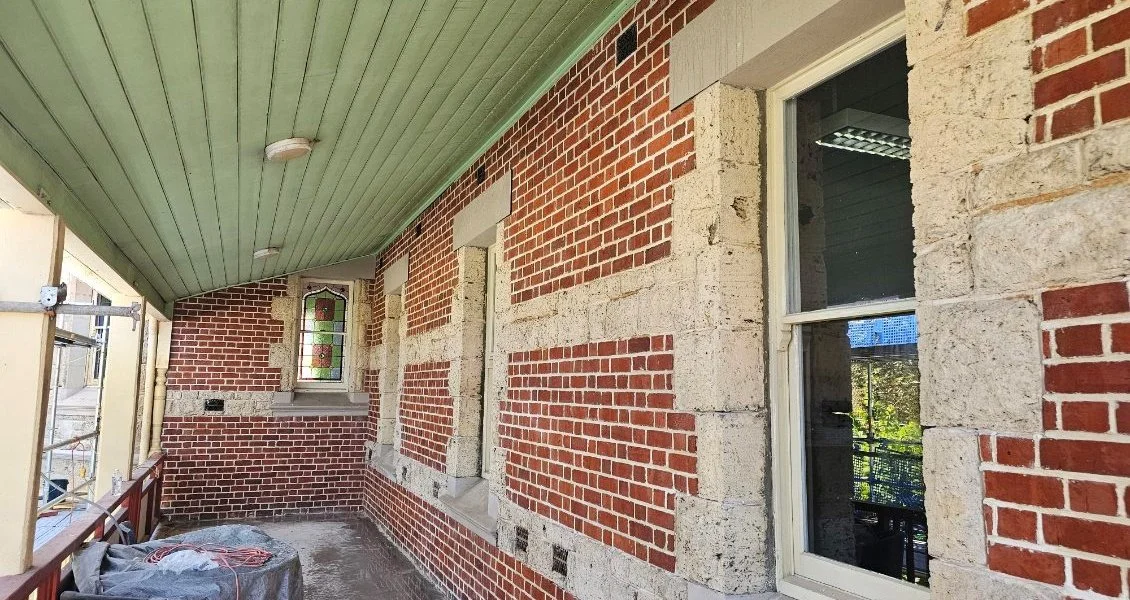
Rising damp and salt damp
What you see: a distinct tide line on the wall, usually within the bottom six or seven courses. Inside, crumbling plaster, bubbling paint, a musty smell. Outside, fretting concentrated at the base.
Why it happens here: older Freo buildings often have no damp-proof course, or the ground level has crept up over the years and buried the one that exists. Reticulation, raised garden beds, mulch against the wall, and hard paving all push extra moisture into the ground next to the footings.
How we fix it: we start with the boring, cheap things because they work — get the ground level down and sloping away, get the reticulation off the wall, clear the sub-floor vents, sort out the gutters and downpipes. Then we strip the cement mortar or render that is stopping the wall from drying, rake the joints out and repoint in lime so the wall can breathe again. A damp-proof course is a last resort, not a first move, and anybody who leads with one before doing the rest is selling you something.
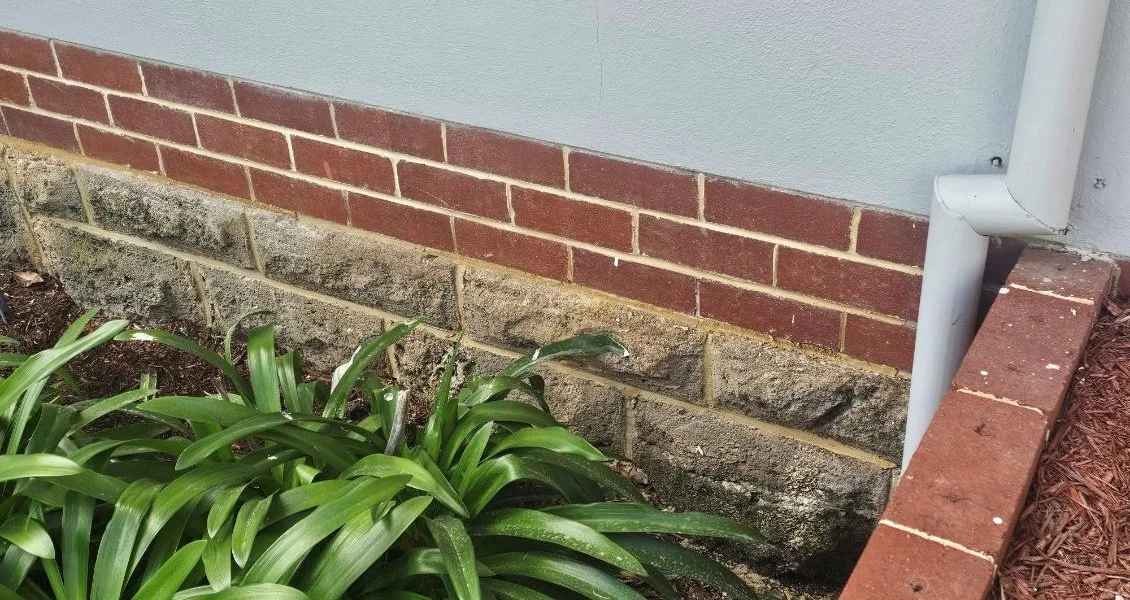
Cement render over limestone
What you see: render that is drumming, cracking, bubbling or falling off in sheets, often with damage to the stone hidden underneath it.
Why it happens here: at some point somebody rendered the wall to tidy it up. Cement render is far stronger and far less permeable than the stone behind it, so it traps moisture and cracks as the wall moves. The stone underneath is usually in worse shape than the render suggests.
How we fix it: careful removal, an honest assessment of what is left, then repair and repointing, and either a permeable lime render or limewash if you want a finish. We will always tell you what we find under there before we go any further.
Cracked walls
What you see: stepped cracks following the mortar joints, or straight cracks through bricks and stone. Doors and windows that have started sticking.
Why it happens here: movement in the footings, usually from reactive ground, moisture change or a tree. Small settlement cracks are normal. Cracks that are widening, or that you can fit a coin into, are not.
How we fix it: we stitch the crack with stainless helical bars bedded into grout across the joints, which ties the masonry back together, then repoint over the top so the repair is invisible. If we think there is a footing problem that needs an engineer, we will say so rather than papering over it.
Rusted steel lintels
What you see: cracking directly above a window or door, brickwork that has visibly lifted, rust staining bleeding down the wall.
Why it happens here: untreated steel lintels corrode, and rusting steel expands with enormous force, lifting everything above it. Salt air accelerates this considerably, which is why Freo and the western suburbs see so much of it.
How we fix it: we support the wall, cut out the failed lintel, install a new galvanised one, and rebuild and repoint the brickwork above so it matches.
Failed capping and coping
What you see: loose, cracked or missing capping on top of a limestone boundary wall, with the wall below deteriorating fastest right under the gap.
Why it happens here: the capping is the wall’s hat. Once it fails, rain goes straight into the top of the wall and works its way down, and Fremantle boundary walls take a lot of weather.
How we fix it: re-bed or replace the capping and repoint the top courses. It is one of the cheapest jobs we do and one of the most worthwhile.
Not sure which one you have? Send a couple of photos through and Marcus can usually tell you straight away.
A bit about Fremantle and what it is built from
Fremantle sits on Tamala Limestone, the coastal stone that runs almost the length of the Western Australian coast. It started life as wind-blown dunes of shell fragments and quartz sand that cemented together over hundreds of thousands of years. It is soft enough to cut with hand tools, which is exactly why the early builders used so much of it, and porous enough that it has to be looked after.
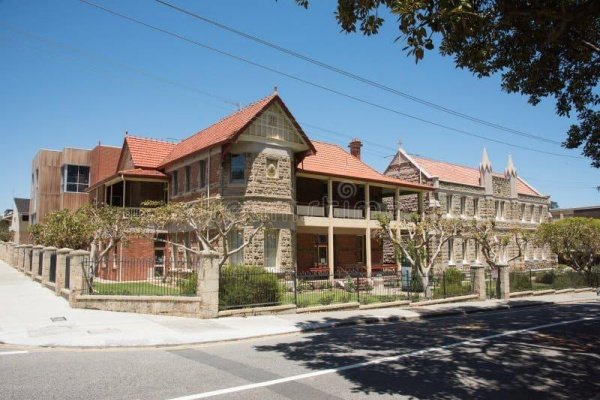
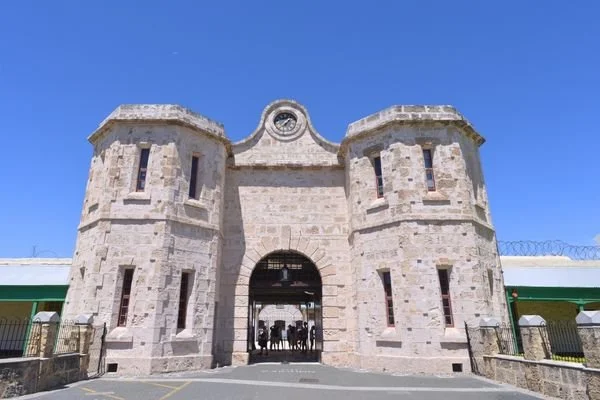
Fremantle Prison is the clearest example anywhere. Convicts quarried the limestone out of the site itself and built the place between 1851 and 1859, and it is now World Heritage listed as part of the Australian Convict Sites. The West End is another: more than 250 buildings across about 20 hectares, most of them from the 1890s and 1900s boom, added to the State Register of Heritage Places in 2016 as the largest single addition ever made. The City of Fremantle has 23 heritage areas and around 2,500 places on its local heritage list.
What that means in practice is that Fremantle has an unusually mixed wall fabric, and each type wants something slightly different:
Solid limestone walls, often rendered or limewashed, in the older cottages and boundary walls.
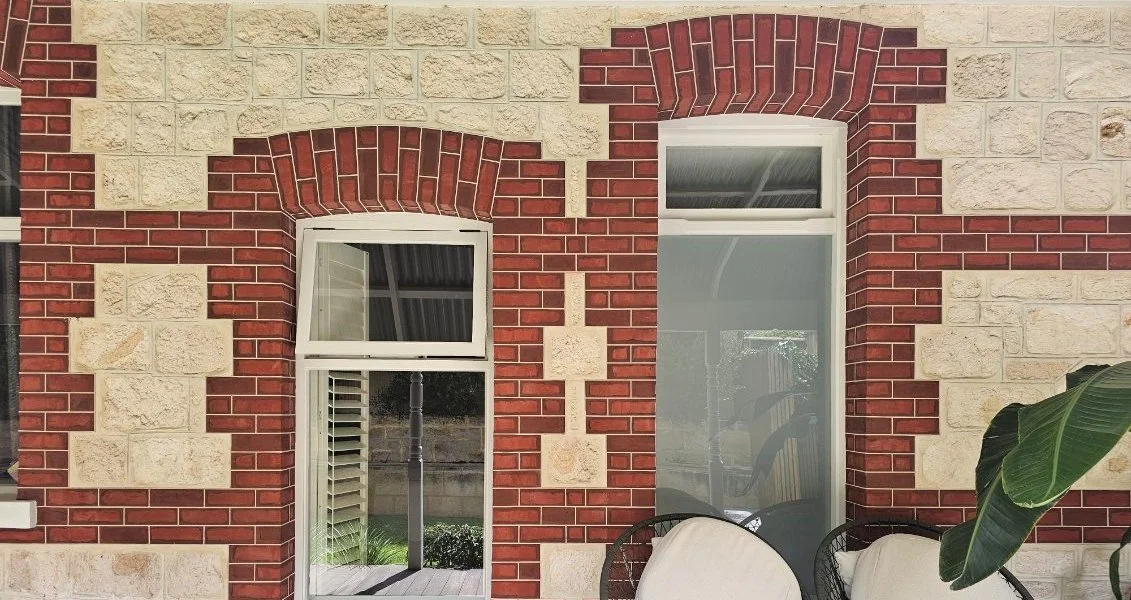
Limestone with red brick quoins, arches and window dressings, where you have two materials with two different rates of movement meeting at the joint.
Federation and Victorian tuckpointed brickwork through the West End and the merchant houses, where the fine ribbon joints are part of the architecture.
Later double-brick and cavity construction from the twentieth century, with its own set of problems around weepholes, wall ties and lintels.
If your property is on the heritage list or sits inside one of the heritage areas, works generally need planning approval from the City, and anything on the State Register gets referred to the Department of Planning, Lands and Heritage. We have worked on listed buildings for decades and are happy to talk through what is likely to be required before you commit to anything.

Suburbs we cover around Fremantle
Fremantle · North Fremantle · South Fremantle · East Fremantle · White Gum Valley · Beaconsfield · Hilton · O’Connor · Samson · Palmyra · Bicton · Attadale · Melville · Willagee · Hamilton Hill · Spearwood · Coogee · Mosman Park · Cottesloe · Peppermint Grove · Claremont
Nearby work
Some of the buildings we have had the pleasure of working on around Fremantle and the coast:
Fremantle Prison — work on the convict-built limestone.
Waterfront, Cottesloe — coastal masonry restoration.
Plus a great many Freo cottages, boundary walls and Federation homes that never made the news but mattered just as much to the people who own them.
What happens when you call
You call or send through a few photos. Photos are genuinely useful — Marcus can often tell you straight away whether it is urgent.
We come out and inspect it properly, free of charge, and work out what is actually causing the problem rather than just what it looks like.
You get a written quote with the scope spelled out, so you know what is included.
On colour-matched work we mix a sample and let you see it against the existing wall before we commit to the whole job.
We do the work ourselves. No subcontractors, and we leave the place spotless.
Fremantle FAQs
Why is there sand at the bottom of my limestone wall?
That sand is your mortar. As joints fret, the binder breaks down and the sand falls out, which is why a small pile appears at the base. It is the earliest reliable warning sign, and at that stage it is a straightforward repointing job. Left long enough, the joints disappear entirely and the courses above can start to move, which is a much bigger and more expensive fix.
Can I just render or paint over my limestone wall to protect it?
Please do not. It is the single most common and most damaging thing done to Fremantle limestone. Cement render, hard plasters and modern acrylic paints seal the wall so it can no longer dry through its joints. The moisture then evaporates through the stone instead, leaving salt crystals behind that blow the face off. The City of Fremantle’s own conservation guidance says the same. If you want a finish, a permeable lime render or a limewash is the right answer.
What is the difference between lime mortar and cement mortar, and how do I tell which I have?
Cement mortar is hard, grey and usually contains small dark pebbles. Lime mortar is softer, paler, and you can often scratch it with a key. The quick home test is to drop a small piece into white vinegar — if it fizzes, it is most likely lime. If you are not sure, we can tell you on site, or the mortar can be professionally tested to establish the original ratios.
My place is heritage listed. Can you still work on it?
Yes. We have been doing heritage and conservation work since 1985, on everything from the Perth Mint to Fremantle Prison to Federation cottages. Works to listed properties usually need planning approval from the City of Fremantle, and State Registered places are referred to the Department of Planning, Lands and Heritage. We are happy to talk through the likely requirements before you apply.
Does living near the ocean really make that much difference?
It does. Salt-laden wind, salt in the groundwater and higher humidity all speed up the breakdown of mortar and the salt attack that fretts brick and stone. It also changes what we use — a wall within a kilometre of a surf coastline, or near an estuary, needs a mortar specified for that exposure. A mix that would be fine in Kalamunda is not the right choice in South Freo.
How much does limestone repointing cost in Fremantle?
It depends on the size of the wall, how deep the joints have to be raked out, access, and whether any stone needs replacing. There is no honest way to price it from a description alone, which is why the inspection and quote are free. What we can tell you is that repointing is always cheaper than replacing stone, so the earlier you get it looked at the less it costs.
Can you match the mortar colour on my old wall?
Yes, and it is a big part of the job. We colour the mortar using blended sands and oxides and finish the joint to match the original profile. On heritage work we mix a sample panel first so you can see it against the existing wall before we go ahead.
Will you fix the crack above my window, or does the lintel need replacing?
If the brickwork above the opening has lifted and there is rust staining, the lintel is corroding and needs to come out — patching the crack alone will not hold, because the steel keeps expanding. If the crack is from footing movement rather than lintel failure, we stitch it with stainless helical bars instead. We will tell you which one you have got when we look at it.
Do I need to do anything about small cracks?
Some settlement cracking is normal in any masonry building. What matters is whether it is stable or moving. Cracks that are widening, that you can fit a coin into, that step through the joints diagonally, or that come with sticking doors and windows are worth having looked at. A quick free inspection will tell you whether it is one to watch or one to act on.
How soon can you come out?
Give Marcus a call on 0405 833 402 and he will let you know. If you can send a couple of photos through first, that often saves everybody a trip.
Get your Fremantle wall looked at properly
Whether it is a hundred-year-old limestone cottage in the West End or a boundary wall that has started dropping sand on the footpath, we will come out, tell you honestly what is going on, and quote you for the work. No obligation, no pressure, and if it can wait we will say so.
Bricks Fix WA
Call 0405 833 402
If you prefer to email, please fill out the following form and we will contact you as soon as possible.